How to Build a Property Rental Marketplace App in Jordan: A Technical & Business Guide
Discover the blueprint for building a successful 3-sided property rental marketplace like Airbnb tailored for the Jordan and MENA market, covering technical features, local payment integration, and ROI.
Aviniti Team
Published on March 2, 2026
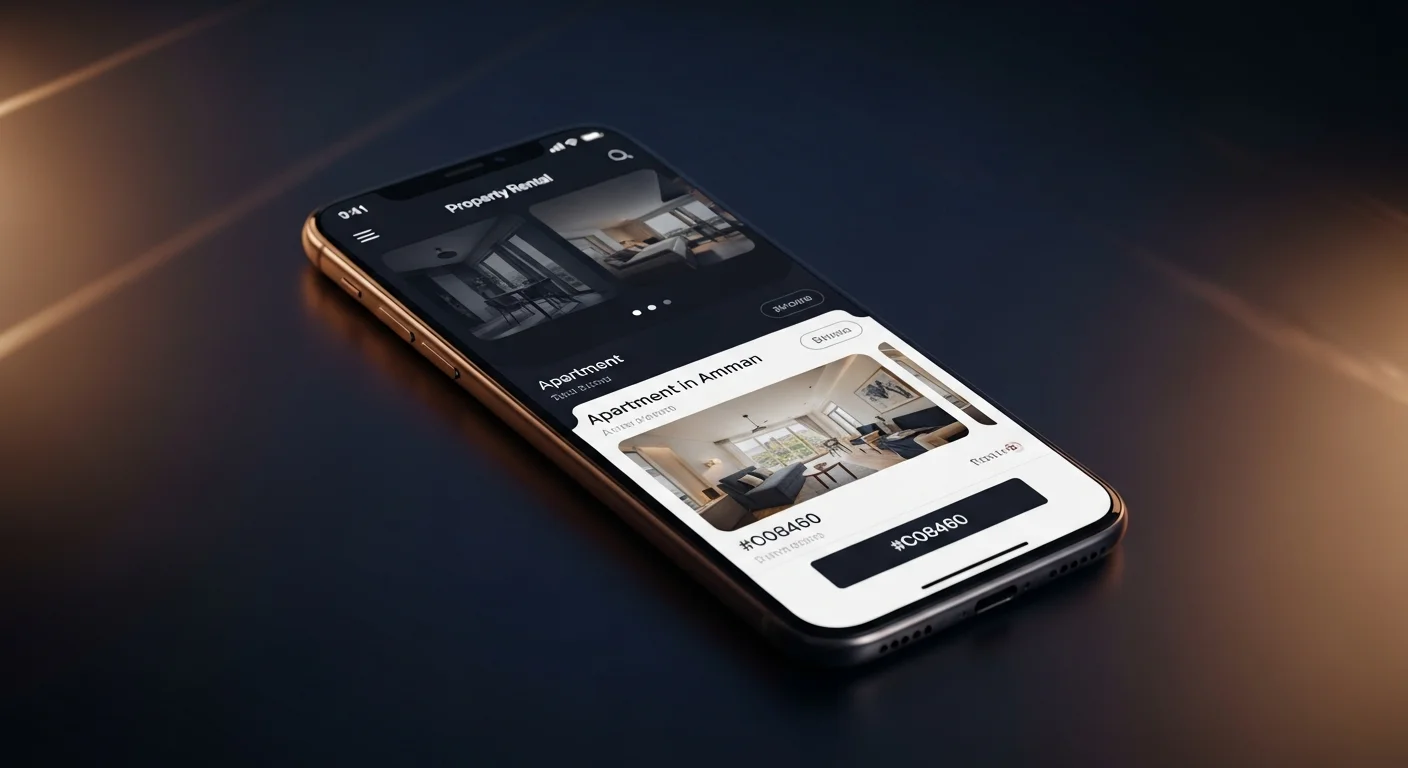
How to Build a Property Rental Marketplace App in Jordan: A Technical & Business Guide
The short-term rental market in Jordan and the wider MENA region is undergoing a massive transformation. From the scenic chalets in the Dead Sea and luxury apartments in Abdali to the rising demand for boutique stays in Petra and Aqaba, the opportunity to launch a property rental marketplace app in Jordan has never been more lucrative.
However, building a successful marketplace isn't just about cloning Airbnb. It requires a deep understanding of local user behavior, regional payment regulations, and the technical architecture of a three-sided ecosystem. At Aviniti, we specialize in bridging the gap between ambitious business ideas and high-performance AI-powered reality.
In this guide, we will break down the technical and business requirements for building a robust rental marketplace specifically for the Jordanian and MENA markets.
Understanding the 3-Sided Marketplace Architecture
A property rental platform is inherently complex because it must serve three distinct user groups simultaneously, each with its own set of features and workflows.
1. The Guest (The Consumer)
For the guest, the priority is discovery and trust. In the MENA region, mobile-first design is non-negotiable.
- Advanced Search & Filters: Users should be able to filter by location, price, amenities (e.g., "pool," "private garden"), and proximity to landmarks.
- Secure Booking Engine: Real-time availability checks to prevent double bookings.
- Localized Payments: Integration with local gateways like MadfooatCom, CliQ, and international options like Visa/Mastercard.
- Reviews & Ratings: Essential for building trust in the local market.
2. The Host (The Provider)
The host needs tools to manage their "business on the go."
- Property Management Dashboard: Easy listing creation with photo uploads and description editing.
- Dynamic Pricing Tools: The ability to change rates based on weekends, holidays (like Eid), or high seasons in Jordan.
- Calendar Sync: Integration with Google Calendar or iCal to manage bookings across multiple platforms.
- Payout Management: A transparent view of earnings and upcoming transfers.
3. The Admin (The Orchestrator)
This is the "brain" of the operation, usually a web-based dashboard for the business owner.
- User & Listing Moderation: Approving or rejecting listings to ensure quality control.
- Commission Management: Setting and tracking service fees from both guests and hosts.
- Analytics & Reporting: Monitoring KPIs like Daily Active Users (DAU), Average Booking Value (ABV), and churn rates.
- Dispute Resolution: Tools to handle cancellations or complaints.
Localizing for Jordan and MENA: Key Technical Challenges
Building a property rental marketplace app in Jordan requires more than just translating text. You must account for regional specifics that global giants often overlook.
Right-to-Left (RTL) Design
Arabic is the primary language for many users in Jordan and Saudi Arabia. A professional app must support a seamless RTL layout. This isn't just about flipping the text; it involves mirroring the entire UI/UX flow to ensure it feels natural to an Arabic speaker.
Identity Verification (KYC)
In Jordan, security and trust are paramount. Integrating a robust Identity Verification (KYC) system—perhaps through national ID uploads or integration with local security standards—is a major competitive advantage that builds platform credibility.
Local Payment Integration
While global apps rely on Stripe or PayPal, a Jordanian marketplace thrives on local integrations. Your app should ideally support:
- CliQ: For instant bank-to-bank transfers.
- MadfooatCom: The gold standard for bill payments and digital transactions in Jordan.
- Apple Pay/Google Pay: Increasingly popular among the younger demographic in Amman.
Feature Comparison: MVP vs. Full-Scale Marketplace
When starting, we often advise our clients at Aviniti to focus on a Minimum Viable Product (MVP) to test the market before scaling.
| Feature | MVP (Standard) | Full-Scale (Advanced) |
|---|---|---|
| Search | Basic location/date filters | AI-powered personalized recommendations |
| Payments | Credit Card & Cash on arrival | CliQ, MadfooatCom, Multi-currency wallet |
| Communication | Basic In-app chat | AI Chatbots for instant host FAQs |
| Pricing | Manual daily rates | Dynamic AI pricing based on market demand |
| Analytics | Basic revenue tracking | Predictive analytics for market trends |
The Role of AI in Modern Rental Apps
At Aviniti, we integrate AI to give our clients a competitive edge. For a rental marketplace, AI can be used for:
- Smart Search: Understanding natural language queries like "quiet chalet in Jerash for a family of 5."
- Image Recognition: Automatically tagging property features (e.g., "modern kitchen," "balcony view") from uploaded photos.
- Fraud Detection: Identifying suspicious booking patterns or fake reviews before they impact your reputation.
If you are unsure if your idea is ready for the market, our AI Analyzer can help you evaluate the competitive landscape in Jordan.
Estimating the Investment
Building a high-quality marketplace is an investment in digital infrastructure. In the Jordanian market, a professional-grade MVP typically ranges from 15,000 JOD to 35,000 JOD, depending on the complexity of features and the platforms (iOS, Android, Web).
Factors affecting the cost include:
- Design Complexity: Custom UI/UX vs. standard templates.
- Third-party Integrations: SMS gateways, Map APIs, and Payment providers.
- Backend Scalability: Ensuring the app doesn't crash when you hit 10,000+ users.
To get a precise figure tailored to your specific requirements, you can use our Get AI Estimate tool for an instant breakdown.
Conclusion: Your Journey Starts Here
Launching a property rental marketplace app in Jordan is a strategic move into a growing digital economy. By focusing on a 3-sided architecture, localizing the experience for the MENA user, and leveraging AI for efficiency, you can build a platform that rivals international players.
At Aviniti, we don't just write code; we build businesses. From initial validation to post-launch scaling, our team in Amman is ready to turn your vision into a reality.
FAQ
1. Is it legal to run a rental marketplace in Jordan? Yes, but you must comply with the Ministry of Tourism and Antiquities regulations regarding short-term rentals and ensure your hosts are aware of their tax obligations.
2. How long does it take to build the app? A typical MVP takes between 3 to 5 months from the discovery phase to the App Store launch.
3. Can I start with just a website? While a website is great for SEO, over 80% of travel bookings in the MENA region are now made via mobile devices. A mobile-responsive web app or a native mobile app is highly recommended.
4. How do I make money from the app? The most common model is the commission model (taking 10-20% from each booking). Other options include featured listings for hosts or subscription models for premium property managers.
Ready to take the next step?
- Have a unique concept? Validate it with our Idea Lab.
- Need to know the cost? Get AI Estimate now.
- Want to discuss your project? Contact us today.