Online Pharmacy App Development in Jordan: Features, Compliance, and Delivery
Discover the essential steps to building a successful, JFDA-compliant pharmacy app in Jordan. From prescription management to CLIQ integration, learn how to digitize your pharmaceutical business.
Aviniti Team
Published on March 11, 2026
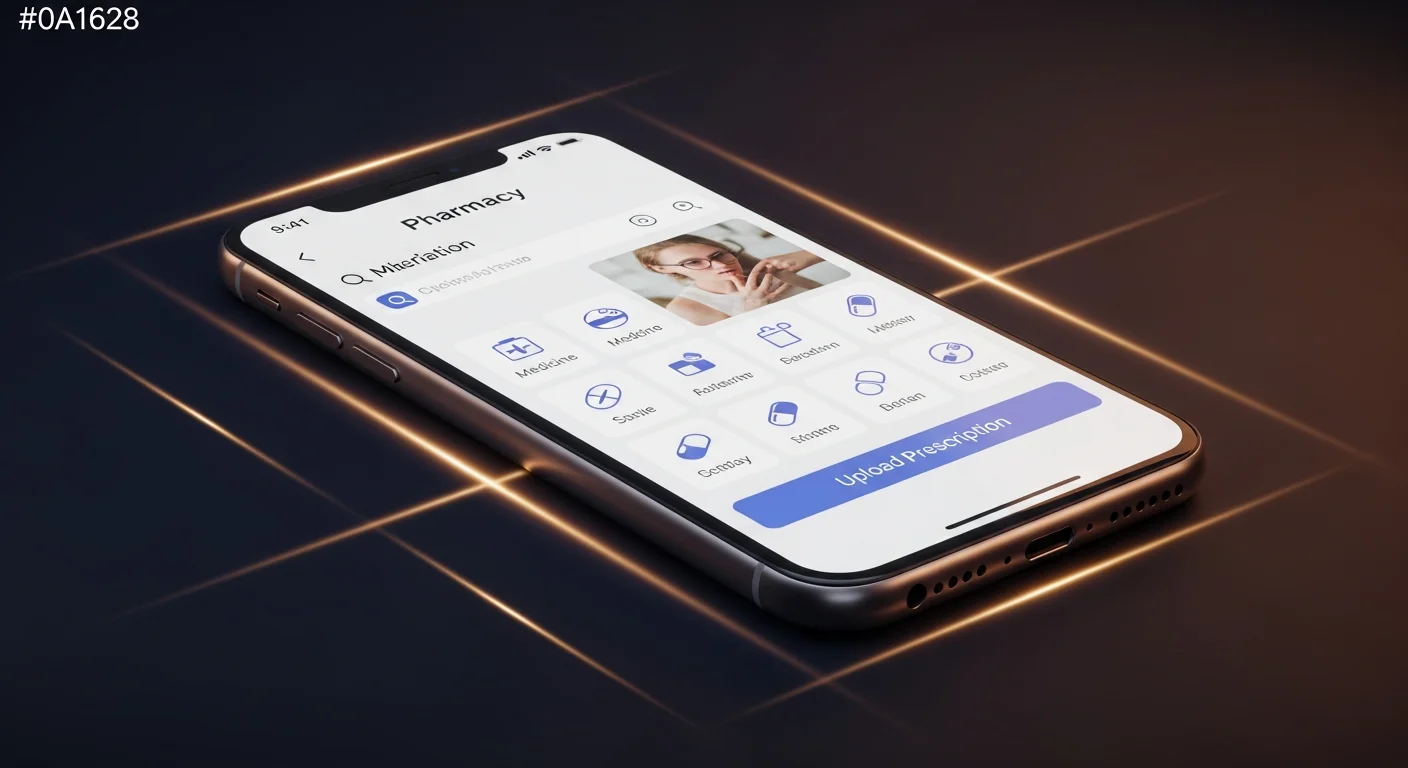
Online Pharmacy App Development in Jordan: A Comprehensive Guide to Compliance and Success
The healthcare landscape in Jordan is undergoing a rapid digital transformation. With the rise of e-commerce and the increasing demand for doorstep services, the pharmaceutical sector is no longer confined to brick-and-mortar stores. For pharmacy owners and entrepreneurs in Amman and beyond, investing in pharmacy app development in Jordan is no longer a luxury—it is a strategic necessity to remain competitive.
However, building a pharmacy app is significantly more complex than a standard e-commerce platform. It requires navigating strict regulations from the Jordan Food and Drug Administration (JFDA), ensuring secure prescription handling, and managing sensitive patient data.
In this guide, we explore what it takes to build a robust, compliant, and user-friendly pharmacy application tailored for the Jordanian market.
The Market Opportunity in Jordan
Jordan boasts one of the highest smartphone penetration rates in the MENA region. Consumers are increasingly comfortable using apps for food delivery and banking. Extending this behavior to healthcare is the natural next step. By digitizing, pharmacies can:
- Increase Reach: Serve customers outside your immediate physical neighborhood.
- Improve Retention: Use push notifications for medication refills.
- Operational Efficiency: Automate order processing and inventory management.
At Aviniti, we specialize in helping local businesses bridge the gap between traditional operations and AI-powered digital solutions, ensuring your transition to the digital space is seamless.
Navigating JFDA Compliance and Legal Requirements
Before writing a single line of code, you must understand the regulatory environment. The JFDA regulates the sale and distribution of medicines in Jordan.
Key Considerations:
- Prescription Management: Jordanian law requires a valid prescription for many medications. Your app must have a secure 'Upload Prescription' feature where pharmacists can verify the document before dispensing.
- Licensed Pharmacists: Every order must be reviewed and approved by a licensed pharmacist. The app architecture must include a 'Pharmacist Dashboard' for this verification step.
- Data Privacy: Protecting patient health information is paramount. Your app must comply with Jordan’s Personal Data Protection Law, ensuring encryption and secure server storage.
- Restricted Items: Certain controlled substances cannot be sold or delivered via an app. Your product catalog must have strict categorization and filtering.
Essential Features for a Jordanian Pharmacy App
To succeed in the local market, your app needs to serve three distinct users: the Customer, the Pharmacist, and the Delivery Agent.
1. The Customer App
- Smart Search & Filtering: Users should find medications by brand name, generic name, or category (e.g., Supplements, Skincare).
- Prescription Upload: A simple interface to take a photo of a prescription or upload a PDF.
- CLIQ & Local Payments: Integration with CLIQ, Jordan's instant payment system, and local gateways like ZainCash or Orange Money is vital.
- Refill Reminders: AI-driven notifications that remind users when their chronic medication is about to run out.
2. The Pharmacist/Admin Panel
- Order Verification: A dedicated interface to view uploaded prescriptions and match them with the order.
- Inventory Management: Real-time syncing with your physical store’s stock levels to avoid overselling.
- AI-Powered Insights: Using tools like those developed by Aviniti, you can predict stock shortages based on seasonal trends (e.g., flu season in Amman).
3. The Delivery Partner App
- Route Optimization: Integration with Google Maps for efficient navigation through Amman’s busy streets.
- Cold Chain Tracking: For medications requiring refrigeration (like insulin), the app should allow drivers to confirm temperature-controlled handling.
Custom Development vs. White-Label Solutions
Choosing the right development path is a critical business decision. Here is a comparison to help you decide:
| Feature | Custom Development (Recommended) | White-Label (Template) |
|---|---|---|
| Scalability | High - Grows with your business | Limited - Hard to add unique features |
| Compliance | Fully tailored to JFDA regulations | Generic - May require heavy modification |
| User Experience | Unique branding and smooth UI | Generic look and feel |
| Initial Cost | Higher (15,000 - 40,000 JOD) | Lower (3,000 - 8,000 JOD) |
| Long-term Value | High - You own the source code | Low - You are tied to a provider |
Integration with Local Logistics
Delivery is the backbone of any pharmacy app. In Jordan, you have two main options:
- In-house Fleet: Better control over the customer experience and handling of sensitive medications.
- Third-party Integration: Partnering with local delivery providers like Aramex, Careem Box, or specialized last-mile startups.
Your app must include a real-time tracking system so customers know exactly when their medicine will arrive, reducing anxiety and improving trust.
Why AI Matters in Pharmacy Apps
Modern apps are more than just digital catalogs. By integrating AI, you can offer features that set you apart from competitors. For example, an AI-powered analyzer can help you understand purchasing patterns in different neighborhoods of Amman, allowing you to optimize your marketing spend.
At Aviniti, we offer an AI Analyzer that helps businesses validate their market position before they even begin development, ensuring that the features you build are the ones your customers actually want.
Frequently Asked Questions (FAQ)
1. Is it legal to deliver medicine in Jordan?
Yes, provided the pharmacy is licensed and the delivery process follows JFDA guidelines regarding prescription verification and medication safety.
2. How much does pharmacy app development in Jordan cost?
A professional, custom-built pharmacy app typically ranges from 15,000 JOD to 45,000 JOD, depending on the complexity of features and AI integrations.
3. How long does it take to launch?
A Minimum Viable Product (MVP) can usually be developed and launched within 3 to 5 months.
4. Can I integrate my existing POS system?
Yes, most modern pharmacy apps can be integrated with existing Point of Sale (POS) and ERP systems to ensure inventory is always accurate.
Conclusion
Building a pharmacy app in Jordan is a high-reward venture that requires a deep understanding of local regulations and user behavior. By focusing on compliance, seamless payment integrations like CLIQ, and a superior user experience, your pharmacy can lead the digital charge in the MENA region.
Ready to turn your vision into a reality?
- Wondering about the cost? Get an instant AI Estimate
- Have a unique concept? Validate it with our Idea Lab
- Need expert advice? Contact the Aviniti team today