Hotel App Development for Jordan’s Tourism Industry: Enhancing Guest Experiences from Petra to Aqaba
Discover how custom hotel app development is transforming Jordan's tourism sector by driving direct bookings, reducing OTA commissions, and personalizing the guest journey from Amman to the Dead Sea.
Aviniti Team
Published on March 13, 2026
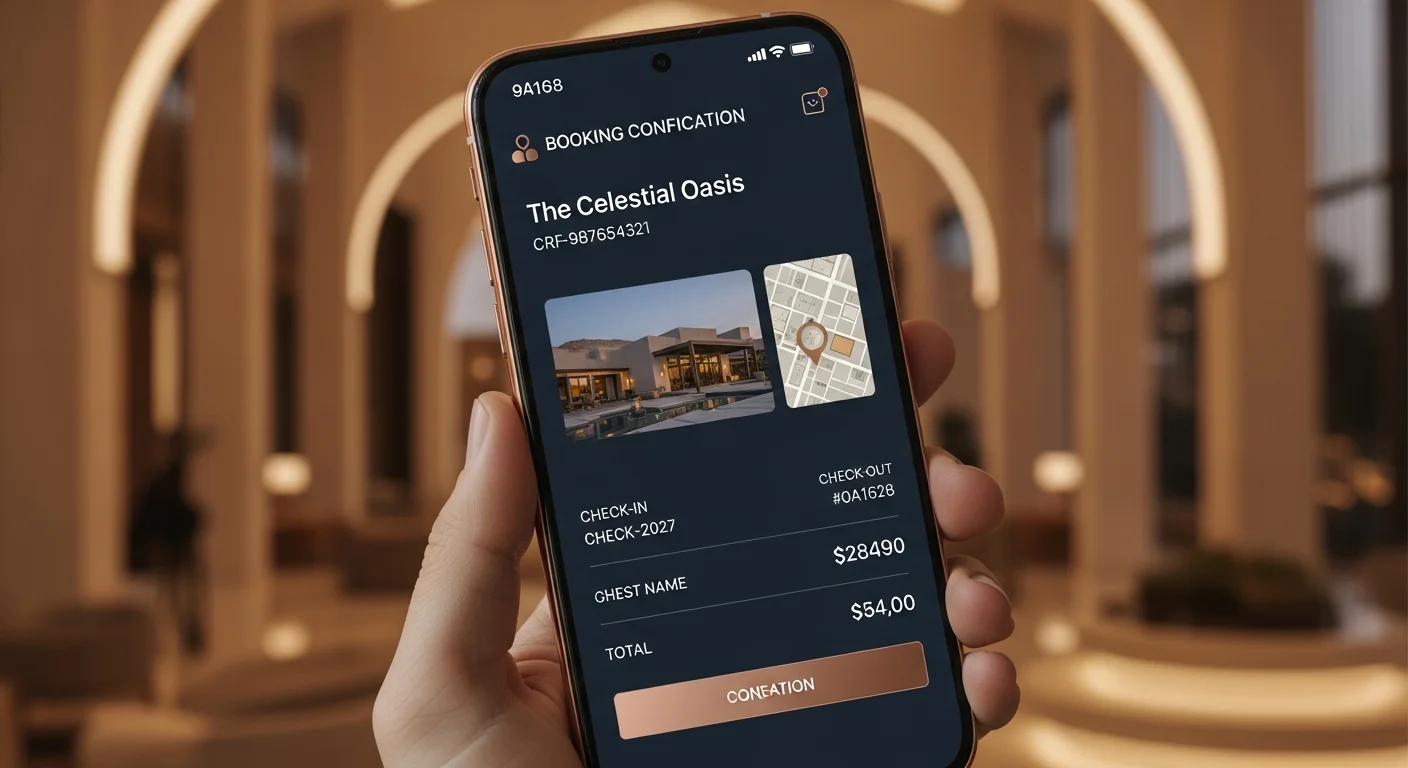
Hotel App Development for Jordan’s Tourism Industry: Enhancing Guest Experiences from Petra to Aqaba
Jordan’s tourism sector is witnessing a monumental shift. As the Kingdom welcomes millions of visitors annually to iconic sites like the Rose City of Petra and the sun-drenched shores of Aqaba, the expectations of the modern traveler have evolved. Today’s tourists are no longer satisfied with just a clean room; they demand a seamless, digital-first experience that begins long before they check in.
For hotel owners and hospitality entrepreneurs in Amman, the Dead Sea, and beyond, hotel app development for Jordan tourism is no longer a luxury—it is a strategic necessity. In an era where third-party booking platforms take significant commissions, a custom mobile app offers a path to higher margins, better data, and unparalleled guest loyalty.
The Digital Shift in Jordan’s Hospitality Landscape
Historically, hotels in Jordan relied heavily on Online Travel Agencies (OTAs) like Booking.com or Expedia. While these platforms provide visibility, they come at a high cost, often charging between 15% and 25% per booking. By investing in custom app development, Jordanian hotels are reclaiming their brand identity and their profits.
In Aqaba’s luxury resorts, for example, apps are being used to manage everything from jet-ski rentals to spa appointments. In Petra, boutique hotels use apps to provide guests with augmented reality (AR) maps and historical insights, bridging the gap between ancient heritage and modern convenience.
Key Features of a High-Performing Hotel App
To succeed in the competitive MENA market, a hotel app must be more than a simple booking form. It needs to be a comprehensive digital concierge.
1. Seamless Direct Booking & Payment
Integrating local payment gateways like CliQ and Zain Cash alongside international credit cards is essential for the Jordanian market. A custom app allows guests to book directly, avoiding OTA fees and allowing the hotel to offer "App-Exclusive" rates.
2. Digital Check-in and Keyless Entry
Modern travelers want to skip the queue at the front desk. Using Bluetooth or NFC technology, a guest can check in via the app and use their smartphone as a room key. This is particularly effective for high-traffic resorts in the Dead Sea area.
3. In-Room Services & Instant Requests
From ordering a late-night Mansaf to requesting extra towels, an app transforms the guest experience. By digitizing room service, hotels often see a 20-30% increase in ancillary revenue due to the ease of ordering.
4. AI-Powered Personalization
This is where Aviniti excels. By integrating AI, a hotel app can analyze guest preferences to suggest personalized itineraries, such as a private tour of the Citadel in Amman or a stargazing experience in Wadi Rum, based on previous behavior.
Comparing Custom Apps vs. Third-Party Platforms
| Feature | Custom Hotel App | Third-Party OTAs (Booking/Expedia) |
|---|---|---|
| Commission Fees | 0% per booking | 15% - 25% per booking |
| Guest Data | Full ownership for marketing | Limited/No access to guest emails |
| Brand Loyalty | Direct communication & loyalty points | Loyalty stays with the platform |
| In-Stay Upselling | High (Spa, Dining, Tours) | None (Only booking) |
| Customer Support | Direct & Instant | Through a middleman |
The ROI of Hotel App Development in Jordan
Investing in a custom app is a significant decision. However, the Return on Investment (ROI) is often realized within the first 12 to 18 months. Consider a 100-room hotel in Aqaba with an average daily rate (ADR) of 120 JOD. If the app shifts just 15% of OTA bookings to direct bookings, the hotel saves approximately 35,000 JOD annually in commissions alone.
Furthermore, the data gathered through a custom app is invaluable. Knowing that your guests from Saudi Arabia prefer late-night dining while European tourists prioritize early morning tours allows for hyper-targeted marketing campaigns that convert at a much higher rate.
Why Localization Matters for the MENA Market
Developing an app for the Jordanian market requires more than just translating text. It requires cultural adaptation. At Aviniti, we understand that a successful app must support full right-to-left (RTL) Arabic interfaces and integrate with local social habits, such as WhatsApp-based customer support, which is the preferred communication method for many in the region.
Integrating AI into Your Hospitality Strategy
Artificial Intelligence is the next frontier for Jordan’s tourism. Imagine an AI chatbot that doesn't just answer FAQs but acts as a travel agent, booking flights, suggesting the best time to visit the Baptism Site, and handling complex room modifications in real-time.
Before starting development, it is crucial to validate the business case. Using tools like the Aviniti AI Analyzer can help hotel owners understand market demand and competitor gaps in specific locations like Madaba or Jerash.
Step-by-Step Implementation
- Discovery & Strategy: Define your primary goal. Is it reducing check-in times or increasing direct bookings?
- Design (UI/UX): Focus on a "Mobile-First" approach that reflects the luxury and hospitality Jordan is known for.
- Development & Integration: Connect the app to your existing Property Management System (PMS) such as Opera or Cloudbeds.
- Testing: Ensure the app works perfectly across all devices, especially in areas with varying internet speeds like Wadi Rum.
- Launch & Marketing: Incentivize guests to download the app with a "First Booking Discount."
FAQ: Hotel App Development in Jordan
Q1: How much does it cost to develop a hotel app in Jordan? The cost varies based on features. A basic booking app starts at a different price point than a full-scale luxury resort app with keyless entry. You can Get an AI Estimate for a more precise figure based on your specific needs.
Q2: Can the app integrate with my current hotel management software? Yes. Professional app development involves integrating with your existing PMS, POS, and CRM systems to ensure data flows seamlessly between the app and your front desk.
Q3: How long does the development process take? Typically, a robust hotel app takes between 3 to 6 months from initial concept to launch, depending on the complexity of the integrations.
Q4: Is an app necessary for a small boutique hotel? Absolutely. Boutique hotels often rely more on personalized service. An app allows a small team to provide 24/7 support and personalized recommendations that would otherwise require more staff.
Conclusion
Jordan’s tourism industry is at a crossroads. As we move toward 2026, the gap between digitally-enabled hotels and traditional ones will only widen. By embracing hotel app development for Jordan tourism, businesses can provide the world-class experience that modern travelers expect while significantly improving their bottom line.
Ready to transform your hotel's digital presence? Start by validating your vision with the Aviniti Idea Lab or Contact Us today to discuss how we can bring your ideas to reality.