The Ultimate Guide to Clinic Management App Development in Jordan
Discover how custom clinic management apps are transforming healthcare in Jordan. Learn about essential features, local integrations like eFAWATEERcom, and how to digitize your medical practice effectively.
Aviniti Team
Published on March 18, 2026
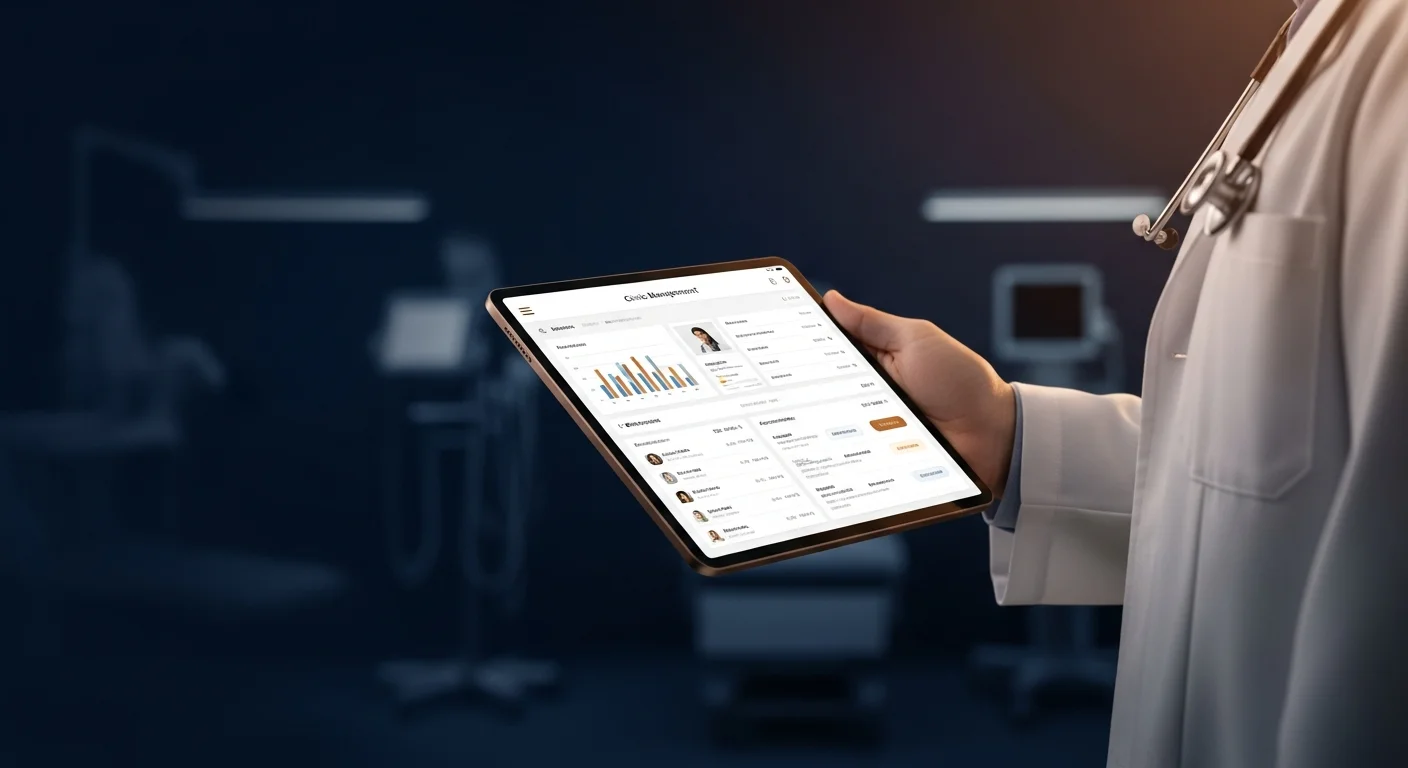
The Ultimate Guide to Clinic Management App Development in Jordan
In the rapidly evolving landscape of Jordan's healthcare sector, the transition from traditional paper-based systems to digital solutions is no longer a luxury—it is a necessity. For private doctors and medical centers in Amman, Irbid, and across the Kingdom, clinic management app development in Jordan has become the cornerstone of operational efficiency and patient satisfaction.
As patients increasingly demand seamless digital experiences, medical professionals must adapt. This guide explores the essential components of a modern clinic management system, the specific requirements of the Jordanian market, and how custom software can provide a competitive edge.
Why Digitization is Vital for Jordanian Clinics
Jordan has long been a hub for medical tourism in the MENA region. To maintain this status, private clinics must offer more than just clinical expertise; they must offer a frictionless administrative experience. Traditional filing systems are prone to human error, physical damage, and slow retrieval times. A dedicated application centralizes data, automates repetitive tasks, and allows doctors to focus on what matters most: patient care.
Essential Features for a Clinic Management App
To be effective, a clinic management app must do more than just store names and phone numbers. It needs to be a comprehensive ecosystem that handles the entire patient journey.
1. Smart Appointment Scheduling
Automated scheduling reduces the workload on receptionists and minimizes 'no-shows.' Features should include:
- Real-time Availability: Patients can see open slots and book instantly.
- Automated Reminders: SMS and push notifications tailored to the Jordanian market (using local gateways like Zain, Orange, or Umniah).
- Rescheduling & Cancellations: Easy-to-use interfaces for both staff and patients.
2. Electronic Medical Records (EMR)
A robust EMR system is the heart of the app. It must securely store:
- Patient history and demographics.
- Lab results and diagnostic images (X-rays, MRIs).
- Treatment plans and progress notes. In Jordan, ensuring that data is stored securely and complies with local privacy expectations is paramount.
3. E-Prescriptions and Pharmacy Integration
Digital prescriptions reduce errors caused by illegible handwriting. Advanced apps can integrate with local pharmacy networks, allowing patients to receive their medications faster and enabling doctors to track medication adherence.
4. Billing and Financial Management
Managing a clinic's finances in Jordan requires specific integrations. Your app should handle:
- Invoicing: Generating professional digital receipts.
- Insurance Processing: Streamlining claims with major Jordanian insurance providers.
- Payment Gateways: Integration with eFAWATEERcom and local banking apps is essential for modern payment collection.
Integration into Jordan's Healthcare Ecosystem
Developing an app in Jordan requires an understanding of the local infrastructure. Unlike generic global software, a custom solution built for the Jordanian market should consider:
- eFAWATEERcom Integration: As the national electronic bill presentment and payment service, integrating this allows patients to pay fees through any banking app or at any exchange house.
- SMS Gateways: Using local providers ensures high delivery rates for appointment reminders, which is crucial in a culture that relies heavily on mobile communication.
- Language Support: While many doctors use English for medical records, the patient-facing interface must be available in high-quality Arabic to ensure accessibility for all segments of society.
Custom App vs. Off-the-Shelf Software
Many doctors face the dilemma of choosing between a subscription-based global SaaS or building a custom solution. Here is how they compare:
| Feature | Custom Development (Aviniti) | Off-the-Shelf SaaS |
|---|---|---|
| Data Ownership | You own 100% of your data | Data often sits on third-party servers |
| Local Integrations | eFAWATEERcom, local SMS, local insurance | Limited or non-existent for Jordan |
| Scalability | Grows with your specific needs | Limited by the provider's roadmap |
| User Experience | Tailored to your clinic's workflow | Generic workflow you must adapt to |
| Cost | Higher upfront, $0 monthly fees | Lower upfront, high recurring monthly fees |
Security and Compliance
Medical data is highly sensitive. Any clinic management app development in Jordan must prioritize cybersecurity. This includes end-to-end encryption, multi-factor authentication for staff, and regular data backups. At Aviniti, we emphasize building secure architectures that protect patient confidentiality while maintaining high system uptime.
The ROI of a Clinic App
Investing in a custom app is not just an expense; it is a strategic investment. By reducing administrative overhead by up to 30%, minimizing missed appointments, and improving patient retention through better service, most clinics see a full return on investment (ROI) within 12 to 18 months.
Using AI-powered tools can further enhance this ROI. For instance, integrating an AI chatbot can handle basic patient inquiries 24/7, freeing up your staff for more complex tasks. Aviniti leverages these AI integrations to ensure your clinic stays ahead of the curve.
Frequently Asked Questions (FAQ)
1. How long does it take to develop a custom clinic app in Jordan? Typically, a Minimum Viable Product (MVP) takes 3 to 5 months. A full-featured system with deep integrations can take 6 to 9 months depending on the complexity.
2. Can I migrate data from my current paper files or old software? Yes. Professional developers can help digitize paper records through manual entry or OCR technology and migrate data from legacy SQL databases into the new system.
3. Is my patient data safe on the cloud? When built with modern security protocols (SSL/TLS, encrypted databases) and hosted on reputable servers with regional data centers, cloud storage is often more secure than physical files kept in a clinic.
4. Does the app work offline? We can design apps with 'offline-first' capabilities, allowing you to record patient data without an internet connection and sync it once you are back online—essential for areas with intermittent connectivity.
Start Your Digital Transformation Today
Ready to elevate your medical practice with a solution tailored to the Jordanian market? Whether you are a solo practitioner or manage a large medical center, the right technology can redefine your patient experience.
To understand the financial scope of your project, use our Get AI Estimate tool for an instant cost breakdown, or if you are still in the planning phase, visit our Idea Lab to validate your app's unique features.
Aviniti: Your Ideas, Our Reality.